
Complete Guide · Aircraft Acquisition
Aircraft acquisition: from defining the mission to registration with ANAC
Everything a buyer needs to know to acquire a jet, turboprop or helicopter safely in Brazil: valuation, due diligence, negotiation, documentation, import and the costly pitfalls to avoid.
By Régis Hahns, CEO of Embarque Oficial · LinkedIn
- 2011flying since
- 44 minread
- 20sources cited
How does the acquisition of a business aircraft work in Brazil?
Aircraft acquisition is a staged process: define the mission and the total cost of ownership, choose between a new and a pre-owned aircraft, negotiate a letter of intent with an escrow deposit, carry out the pre-purchase inspection and records review, search title and liens in the RAB (Brazilian Aeronautical Registry) and the International Registry, sign the purchase agreement, import the aircraft when necessary and register it with ANAC (Agência Nacional de Aviação Civil), Brazil's civil aviation authority, with RETA liability insurance in force. Independent aircraft purchase and sale advisory reduces the risk at every stage.
In this guide
- When does aircraft acquisition make more sense than chartering?
- How does fractional aircraft ownership work in Brazil (RBAC 91 Subpart K)?
- How do you define the mission and total cost of ownership before an aircraft acquisition?
- New or pre-owned aircraft: which is the better purchase?
- What is the aircraft market like and where can you check reference values?
- What is the broker's role in aircraft acquisition?
- LOI, deposit, escrow and purchase agreement (APA): how does the negotiation work?
- What is a pre-purchase inspection (PPI) and how do you review the aircraft records?
- How do you search title and liens in the RAB and the International Registry?
- Aircraft import into Brazil: customs regimes, taxes and steps
- Registration, nationality marks and airworthiness: what does ANAC require of the new owner?
- Financing, leasing and insurance: how do you structure payment and protect the aircraft?
- Individual, company or co-ownership: which ownership structure should you choose?
- What are the most common aircraft acquisition pitfalls and how do you protect resale value?
- Glossary
- Frequently asked questions
When does aircraft acquisition make more sense than chartering?
Aircraft acquisition makes sense when owning an aircraft solves a problem that charter, a Jet Card or fractional ownership cannot solve at the same cost: immediate availability, a standardized cabin and crew, full control of the schedule and heavy, predictable use throughout the year. An owned aircraft is a capital asset with fixed costs that exist even when it sits in the hangar. That is why the decision to buy a business aircraft starts with a simple question: how many hours a year does the family or the company really fly, and how far in advance does it know it will fly?
The four ways to access business aviation
In Brazil, anyone who needs business aviation has four main paths. Charter (known locally as táxi aéreo, or air taxi) books each flight with an operator certified by ANAC (Agência Nacional de Aviação Civil), Brazil's civil aviation authority, under RBAC 135, the Brazilian rule for commercial on-demand operations, with no capital commitment; how it works is detailed in the Executive Air Charter Guide. The Jet Card is a prepaid package of hours or credit with defined rates and conditions, such as the Embarque Oficial Jet Card. Fractional ownership splits an aircraft among shareholders under a program manager, a model ANAC regulated in Subpart K of RBAC 91, the Brazilian general operating rules. And whole ownership is the purchase of the entire aircraft by an individual, a company or a co-ownership (condomínio).

| Model | Capital tied up | Availability | Fixed costs | Typical profile |
|---|---|---|---|---|
| Charter (air taxi) | None | Subject to available fleet | None | Occasional or irregular use |
| Jet Card | Prepaid deposit or balance | Contracted conditions | None beyond the balance | Recurring use without wanting an asset |
| Fractional ownership | Share of the aircraft | Hours proportional to the share | Split among shareholders | Regular but partial use |
| Whole ownership | Entire aircraft | Full (subject to maintenance) | Borne entirely by the owner | Heavy, predictable use |
Signs that buying starts to pay off
- High, stable flight hours: the more hours per year, the more the fixed cost of an owned aircraft is diluted per flight hour.
- Repetitive missions: fixed routes between farms, industrial plants or regional bases justify an aircraft sized for that mission.
- Need to depart at short notice: an owned aircraft eliminates negotiating each flight.
- Cabin, security or privacy requirements that call for a standardized crew and configuration.
- Potential to generate revenue by placing the aircraft under the management of an RBAC 135 operator when the owner is not using it, which reduces, but rarely eliminates, the cost of ownership.
How to run the numbers without fooling yourself
There is no magic number of hours that defines the break-even point between chartering and buying, because it changes with the aircraft category, the exchange rate, the cost of capital and the usage profile. The correct method is to compare, over the same horizon (for example, five years), the total cost of ownership of the aircraft, including depreciation and the opportunity cost of capital, with the cost of flying the same hours by charter or Jet Card, also accounting for repositioning flights. People who fly little usually find that charter, combined with empty leg opportunities and the benefits of programs such as Clube Infinity, delivers more flexibility for less money. Those who fly a lot, on predictable missions, tend to find aircraft acquisition the more rational solution. Embarque Oficial builds this side-by-side comparison before any purchase proposal.
How does fractional aircraft ownership work in Brazil (RBAC 91 Subpart K)?
Fractional aircraft ownership, called propriedade compartilhada in Portuguese, is regulated in Brazil by Subpart K of RBAC 91. ANAC approved the rule in February 2021 through Resolution No. 606, modeled on Subpart K of the US FAA's Part 91, with adaptations to Brazilian conditions. In September 2021, ANAC published Supplementary Instruction IS 91-013, which details how a company obtains the Administrative Specifications (EA, Especificações Administrativas) needed to manage a fractional ownership program.
Key program requirements
- Minimum fleet: the program needs a manager and at least two airworthy aircraft, with at least one of them shared among two or more owners.
- Minimum share: each owner must hold at least 1/16 of an airplane or 1/32 of a helicopter, which results in limits of 16 owners per airplane and 32 per helicopter.
- Proportional hours: each owner's flight hours may not exceed those corresponding to their share.
- Contract: the relationship between owners and manager is formalized by a contract with a minimum term of one year, reported to ANAC and kept confidential.
- Operational control: always remains with the program manager, who hires and trains crews, handles maintenance and runs a safety management system.
- No commercial transport: selling seats or carrying people and cargo for compensation on fractional flights is prohibited.
Safety rules close to those of air charter
According to ANAC, the safety rules of Subpart K are similar to those of RBAC 135, with simplifications in areas such as the operations manual, runway factoring and training. Issuing the Administrative Specifications follows five phases (pre-application, formal application, document evaluation, demonstrations and inspections, and issuance), conducted electronically through SEI, ANAC's electronic filing system. The manager must also be registered with the RAB (Registro Aeronáutico Brasileiro, the Brazilian Aeronautical Registry) and may be inspected at any time.
Fractional ownership vs informal co-ownership
Before Subpart K, it was common for friends or business partners to buy an aircraft as a co-ownership (condomínio) and split costs under a private agreement. Co-ownership is still possible, with the co-owners registered with the RAB, but it is not a fractional ownership program. The difference lies in operational control and scale: in the regulated program, a certified manager operates a fleet and guarantees a replacement aircraft; in a co-ownership, the owners themselves (or a designated operator) are responsible for operating a single aircraft, and availability depends on the agreement among them.
| Aspect | Program (Subpart K) | Aircraft co-ownership |
|---|---|---|
| Who operates | Manager holding ANAC EA | Co-owners or designated operator |
| Fleet | Two or more aircraft | Usually one aircraft |
| Minimum share | 1/16 (airplane) or 1/32 (helicopter) | Free, as agreed |
| Contract | Minimum one year, reported to ANAC | Co-owners' agreement |
For those who fly regularly, but not enough to justify a whole aircraft, a share in a regulated program is an intermediate step between charter and full aircraft acquisition. The Embarque Oficial team compares shares, flight programs and direct purchase based on each client's real usage profile.
How do you define the mission and total cost of ownership before an aircraft acquisition?
The most expensive mistake in aircraft acquisition is choosing the model before defining the mission. The mission is the set of operational requirements the aircraft must meet on most flights: number of passengers, typical and maximum nonstop distance, runways to be used, baggage, required comfort and frequency. The total cost of ownership (TCO) is the sum of everything the aircraft costs over the period the owner keeps it, from the purchase price to the resale value.
Questions that define the mission
- How many people fly on most trips? Size the aircraft for the typical flight, not the exceptional one, which can be chartered.
- What are the typical and the longest legs? A São Paulo (SBMT, Campo de Marte) to Florianópolis (SBFL) leg calls for a different aircraft than a São Paulo (SBGR) to Miami (KMIA) route.
- Which runways and helipads will be used? Short, unpaved or high-altitude runways limit the choice, as do weight restrictions at regional airports.
- How many hours per year? Volume determines whether a jet, a turboprop or a helicopter makes sense, and also the type of maintenance program.
- Who will operate it? An in-house crew, outsourced management or placement in the fleet of an RBAC 135 operator.
The categories and range of each type of jet are covered in the Private Jets Guide, which helps translate the mission into a shortlist of models.

Components of the total cost of ownership
| Group | Main items | What makes the amount vary |
|---|---|---|
| Capital | Purchase price, opportunity cost or interest, depreciation | Age, exchange rate, interest rate, model liquidity |
| Fixed costs | Crew, training, hangar, insurance, management, navigation and database subscriptions, annual airworthiness review | Aircraft category, home base, number of pilots |
| Variable costs | Fuel, hourly engine and APU programs, scheduled maintenance, airport and navigation fees, crew travel expenses | Hours flown, routes, jet fuel price |
| Maintenance events | Major inspections, engine overhauls, paint, interior, avionics upgrades | Maintenance calendar inherited at purchase |
Why the purchase price is only the beginning
Two aircraft of the same model, with the same asking price, can have very different ownership costs. One may arrive with a major inspection just completed and engines covered by an hourly program; the other may be a few months away from a heavy check with engines off program, which transfers a significant liability to the buyer. That is why the acquisition budget must include a reserve for items found in the pre-purchase inspection, for import (where applicable) and for the first months of operation. Recurring costs and ways to reduce them are covered in the Aircraft Management Guide, and Embarque Oficial offers aircraft management for owners who want to outsource that routine.
- Define passengers, range and runways for the typical flight before choosing the model
- Estimate annual hours realistically, excluding exceptional flights
- Add up capital, fixed costs, variable costs and maintenance events
- Set aside a budget for pre-purchase inspection discrepancies
- Compare total cost with charter and Jet Card over the same horizon
- Project the resale value at the end of the ownership period
New or pre-owned aircraft: which is the better purchase?
The choice between a new aircraft and a pre-owned aircraft (used, or seminova in Brazilian market jargon) is a trade-off between predictability and price. A new aircraft offers a factory warranty, current technology and a clean history, but requires waiting in the production queue and absorbs the steepest depreciation in the first years. A pre-owned aircraft is available sooner and costs less, but depends on rigorous technical and records analysis so that it does not hide liabilities.
The new aircraft market in 2025 and 2026
According to GAMA (General Aviation Manufacturers Association), manufacturers delivered 854 business jets in 2025, up 11.8% from 2024, plus 594 turboprops; airplane billings reached US$31.0 billion. Embraer delivered 155 business jets in 2025, a record for the division, and the Phenom 300 family was the world's most delivered light jet for the 14th consecutive year, with 72 units that year. In July 2026, on the eve of LABACE, Latin America's largest business aviation show, industry sources interviewed by Forbes Brasil said it was not possible to buy a new aircraft with delivery in less than nine months and that, in the most sought-after segments, the wait could approach two years.

Head-to-head comparison
| Criterion | New aircraft | Pre-owned aircraft |
|---|---|---|
| Delivery time | Production queue, often months or years | Immediate to a few months |
| Acquisition price | Higher, with deposit and progress payments | Lower, paid at closing |
| Depreciation | Steepest in the first years | Gentler, partly already absorbed |
| Warranty | Full factory warranty | Remaining warranty, if any and if transferable |
| History | No history | Depends on complete records without gaps |
| Technology | Current avionics and cabin | May require upgrades |
When new pays off
- When the buyer intends to keep the aircraft for many years, diluting the initial depreciation.
- When the cabin configuration, interior and avionics need to be tailor-made.
- When the manufacturer's warranty and support packages are an important part of the budget.
When pre-owned pays off
- When the mission needs to start now, without a production queue.
- When the desired model is out of production or has a good reliability and support record.
- When the buyer wants to pay less for the same level of cabin and range, accepting an aircraft a few years old.
Recently delivered aircraft
There is a middle ground: aircraft only a few years old with low hours, often still under factory warranty and with engines on an hourly program. They tend to be highly sought after when the production queue is long, because they offer almost the advantages of a new aircraft with immediate delivery. In large-cabin models such as the Gulfstream G700, the decision between waiting for the factory and buying a recently delivered unit should weigh the length of the queue, the remaining warranty, the cost of idle capital and the asking price on the secondary market, always confirmed with up-to-date transaction data.
What is the aircraft market like and where can you check reference values?
Between 2025 and 2026, the pre-owned business aircraft market went through a period of low inventory and firm prices. According to an analysis by Jefferies using Amstat data, reported by AIN at the end of February 2026, there were 1,015 pre-owned business jets for sale in February 2026, down 12% in one year, equivalent to about 4% of the active fleet; average asking prices rose 7% over twelve months. In large cabin, inventory fell 21% over the period. Low inventory means fewer options and more competition for good aircraft, which demands quick decisions and an acquisition structure ready to go.
The Brazilian market
According to ANAC data compiled by ABAG (Associação Brasileira de Aviação Geral, the Brazilian General Aviation Association), Brazil's operational business aviation fleet totaled 11,362 aircraft in May 2026, up 8.5% in twelve months; according to the breakdown published by ABAG, this base includes jets, turboprops, helicopters and piston airplanes. Business jets reached 1,193 units, growth of 12.5%. According to ABAG and Citi analysts, Brazil is the world's second-largest business aviation market, behind the United States. Citi executives interviewed by Bloomberg Línea in 2025 reported growing demand for larger, long-range jets, with financing predominantly in US dollars for these aircraft. Anyone buying a private jet in Brazil therefore competes in a large and active market. The full overview of the sector is in the Business Aviation Guide.
Sources of reference values
In the international market, professionals use databases and price guides such as Amstat, JETNET, Vref and Aircraft Bluebook to check inventory, recorded transactions and reference values by model, year and configuration. These tools are generally paid and intended for professional use. The asking price in listings is not the closing price: the real value of a pre-owned aircraft is adjusted by technical and documentation factors.
What most affects the value of a pre-owned aircraft
- Airframe and engine hours and cycles relative to the model average.
- Active, transferable hourly engine and APU programs, which reduce the overhaul liability.
- Maintenance status: how long until the next major inspection and engine overhauls.
- Damage history and the quality of repairs, with approved documentation.
- Complete records since manufacture (back-to-birth), without gaps.
- Avionics, connectivity, paint and interior, including upgrades required by airspace mandates.
- Origin and registration: aircraft already registered in Brazil avoid import costs and lead times.
Models with good liquidity
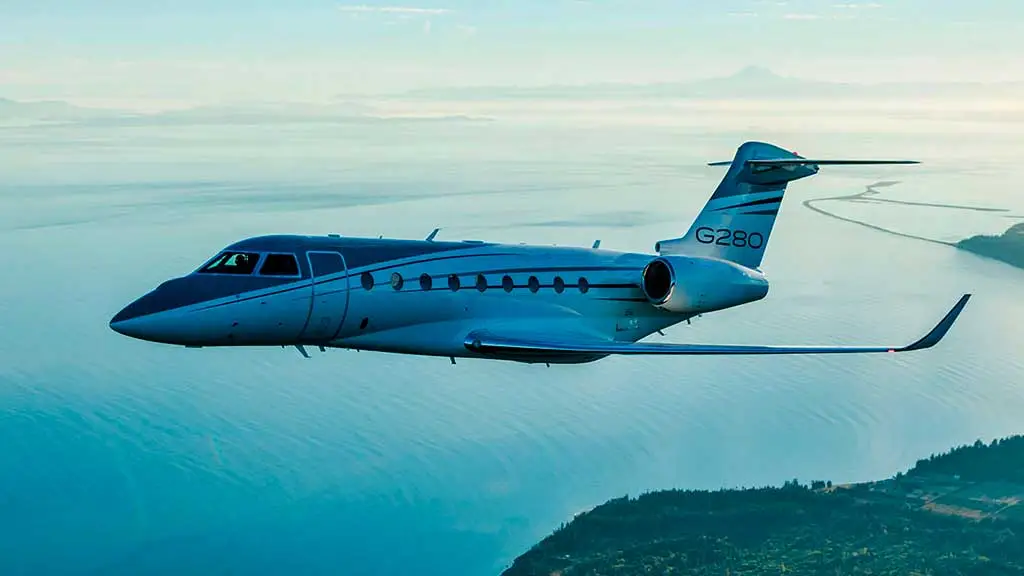
Liquidity is how easy it is to resell. Models with a large fleet, manufacturer support and a maintenance base in Brazil are usually easier to sell and to maintain. Among light jets, the Phenom 300 family and the Citation CJ3 are benchmarks; among midsize and super-midsize jets, the Praetor 500 and the Challenger 3500; among turboprops, the Pilatus PC-12; among helicopters, the Esquilo AS350 B2, built in Brazil by Helibras in Itajubá, Minas Gerais. Check the technical specification sheets and the aircraft page to compare performance and cabin.
Popular aircraft on the purchase and sale market
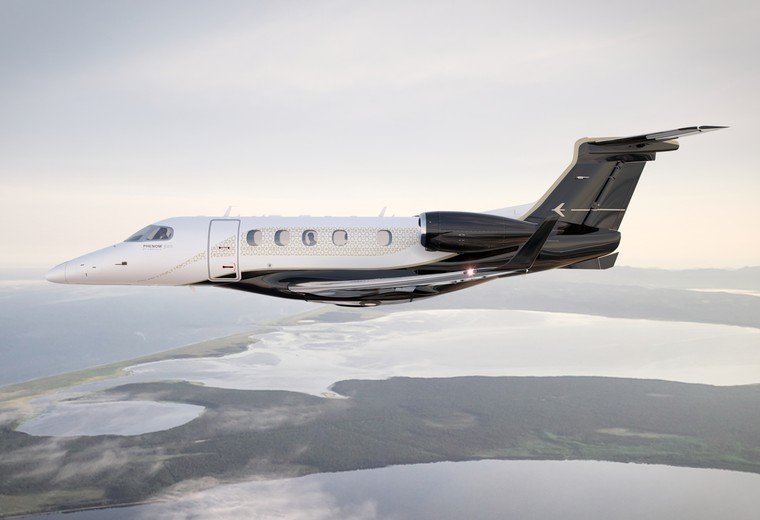 Jato · LightEmbraer Phenom 300ESpecifications, cabin, performance and charter options.Read more
 Jato · LightCessna Citation CJ3Specifications, cabin, performance and charter options.Read more
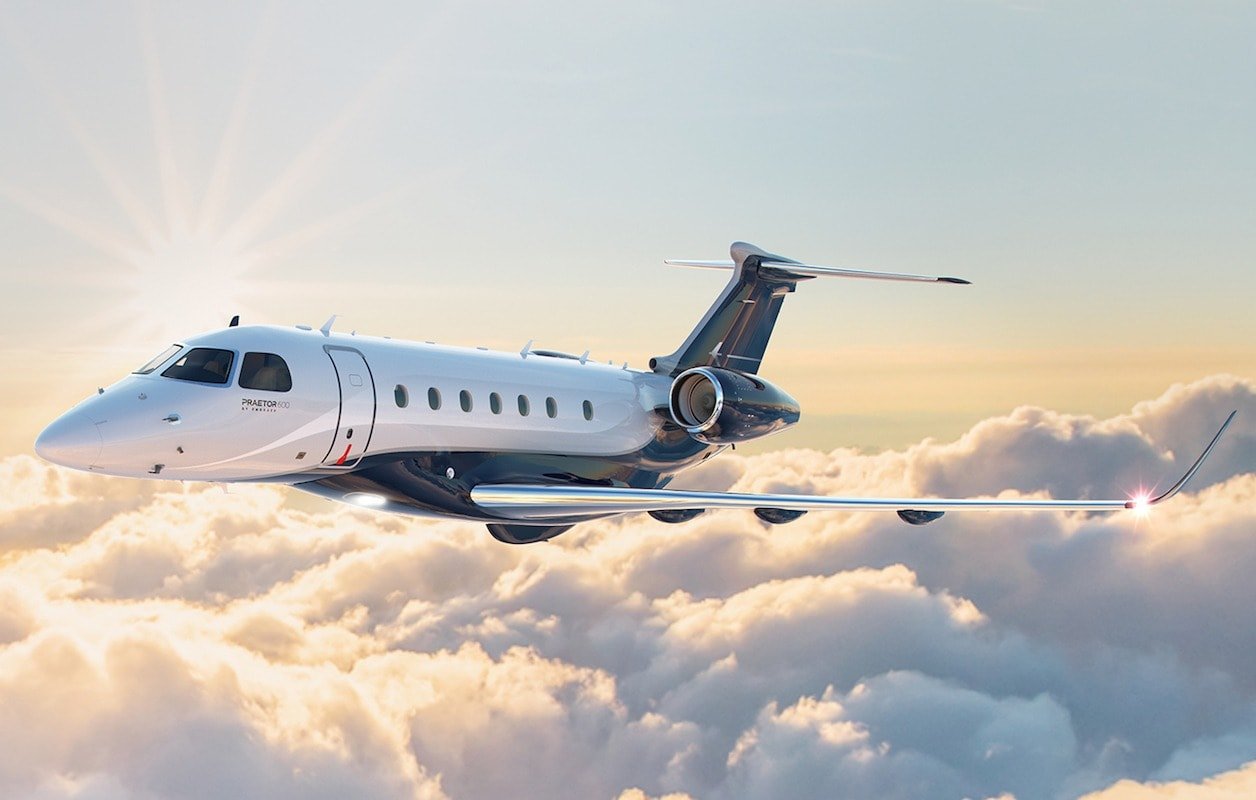 Jato · MidsizeEmbraer Praetor 500Specifications, cabin, performance and charter options.Read more
 Jato · Super-midsizeBombardier Challenger 3500Specifications, cabin, performance and charter options.Read more
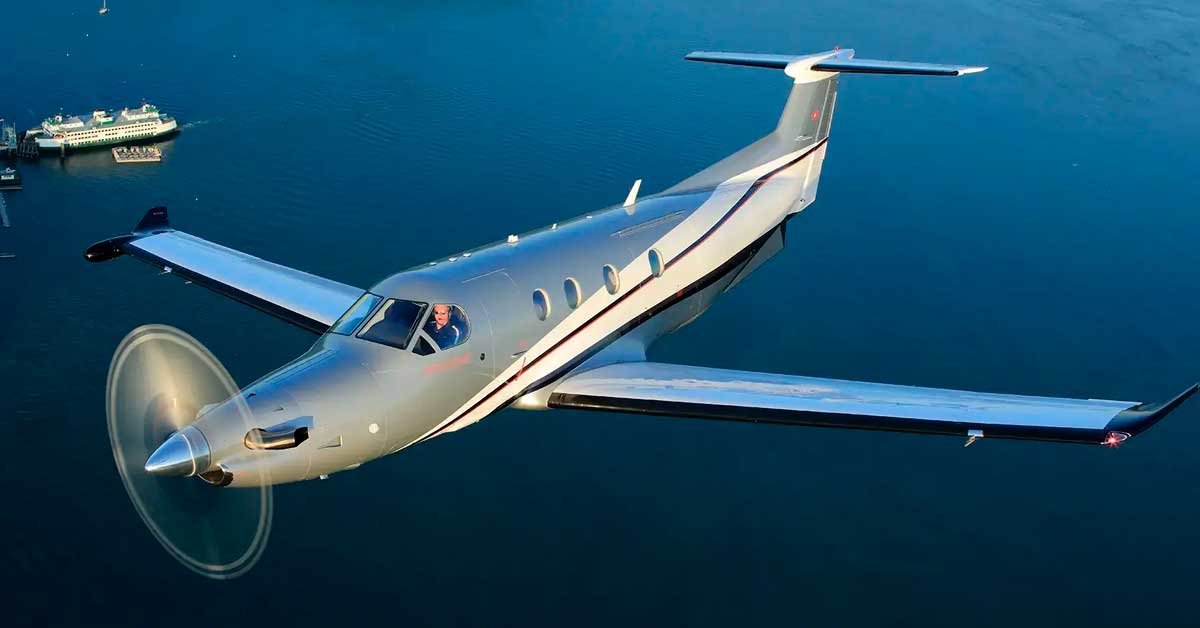 Turboélice monomotorPilatus PC-12Specifications, cabin, performance and charter options.Read more
 Helicóptero · MonomotorHelibras Esquilo AS350 B2Specifications, cabin, performance and charter options.Read more
What is the broker's role in aircraft acquisition?
The aircraft broker (or intermediary) brings buyer and seller together, organizes the negotiation and coordinates the stages of the transaction. In practice, there are two distinct roles that are often confused: the seller's broker, hired to sell a specific aircraft at the best price, and the acquisition agent (buyer's representative), hired by the buyer to find and negotiate the right aircraft. Their interests are opposite, and the buyer needs to know which side of the table each person is on.
What a good buyer's representative does
- Translates the mission into a specification: model, year, hour range, avionics and configuration.
- Sweeps the market, including aircraft that are not publicly listed (off-market).
- Compares candidates using transaction data, reference value and maintenance status.
- Negotiates the letter of intent and coordinates the lawyer, escrow, inspection facility and insurer.
- Oversees the pre-purchase inspection and negotiates corrections or price reductions.
- Organizes the closing, technical delivery, import and registration.
Conflicts of interest to avoid
- Dual representation: the same intermediary being paid by both seller and buyer without this being clearly stated in writing.
- Compensation tied only to closing, which creates an incentive to complete any deal, even a bad one.
- Inspection facility recommended by the seller, or by the seller's intermediary.
- Broker boilerplate contracts not reviewed by the buyer's lawyer. The NBAA, the US National Business Aviation Association, publishes guidance on the pitfalls of purchase agreements drafted by brokers.
How to choose the intermediary
Ask for references from completed transactions on the model you are looking for, confirm how and by whom the intermediary is paid, check whether they have access to market databases and to a network of specialized inspection facilities and lawyers, and require a representation agreement with scope, exclusivity and term. Experience with aircraft import into Brazil and with the Brazilian Aeronautical Registry makes a difference, because a large share of the pre-owned aircraft available is located abroad.
How Embarque Oficial works
Embarque Oficial works in aircraft purchase and sale, representing the client from mission definition through registration in Brazil, with transparency about compensation and working with specialized inspection facilities, lawyers and customs brokers. With offices in Brazil, the United States, Europe, the Middle East and Asia, the team follows aircraft in the main markets and coordinates negotiations in each seller's time zone.
LOI, deposit, escrow and purchase agreement (APA): how does the negotiation work?
Negotiating a pre-owned aircraft follows a sequence well established in the international market: letter of intent, escrow deposit, purchase agreement, pre-purchase inspection, technical acceptance and closing. Each document reduces a specific type of risk, and skipping steps is the most common way to turn a good aircraft acquisition into litigation.
Step-by-step transaction
- Letter of intent (LOI): a short document that sets the price, the aircraft (model, serial number, registration), the inspection location, deadlines, the deposit and conditions. The LOI is usually largely non-binding as to the purchase itself, but binding as to exclusivity, confidentiality and deposit rules.
- Escrow deposit: the buyer places a deposit with a neutral escrow agent, not in the seller's or broker's account. In the United States, it is common to use escrow and title companies located in Oklahoma City, near the FAA aircraft registry.
- Aircraft purchase agreement (APA): the definitive, binding instrument, negotiated by both parties' lawyers.
- Pre-purchase inspection (PPI): performed at the facility chosen by the buyer, according to the scope set out in the APA.
- Technical acceptance: the buyer accepts the aircraft, rejects it or accepts it subject to correction of discrepancies or a price reduction.
- Closing: escrow releases payment against delivery of the transfer documents and of the aircraft at the agreed location.
Essential APA clauses
- Delivery condition: airworthy aircraft, with all systems operating, complete records and no undisclosed damage.
- Distinction between airworthiness and cosmetic discrepancies: the former are normally corrected by the seller; the latter are negotiated.
- Cap on correction costs above which either party may walk away.
- Return of the deposit if the aircraft is rejected at inspection within the rules of the agreement.
- Clear title, with liens and international registrations discharged before closing.
- Delivery location, which may have tax implications at origin and destination.
- Risk of loss until delivery, transferred warranties, governing law and jurisdiction.
In Brazil: the title transfer document
When the aircraft is already registered in Brazil, the transfer is formalized by a title transfer document (título de transferência de propriedade) signed by seller and buyer, with notarized signatures, which is then filed with the Brazilian Aeronautical Registry. The Código Brasileiro de Aeronáutica (Brazilian Aeronautical Code, Law No. 7,565/1986), in Article 115, establishes that a transfer of title between living persons only transfers ownership from the date of its registration with the RAB. Until registration, a buyer who has paid is not yet, as far as third parties are concerned, the owner. That is why closing must be tied to registration, not merely to signing.
Before signing any LOI, talk to the Embarque Oficial team to structure deadlines, deposit and inspection scope according to the aircraft and the seller's country.
- Never pay a deposit directly into the seller's or broker's account
- Use a neutral escrow agent with written release instructions
- Have the APA reviewed by the buyer's lawyer
- Define the pre-purchase inspection scope and facility in the APA
- Separate airworthiness discrepancies from cosmetic items
- Tie payment to delivery of clear title
What is a pre-purchase inspection (PPI) and how do you review the aircraft records?
The pre-purchase inspection (PPI, or pre-buy) is the independent technical evaluation the buyer commissions before accepting the aircraft. It has two equally important parts: the physical inspection of the aircraft and the review of the maintenance records. An aircraft can look flawless in the hangar and, at the same time, have incomplete records that sink its resale value; the reverse also happens.
Where and how to carry out the physical inspection
- A facility independent of the seller, preferably a manufacturer-authorized service center or a shop with extensive experience on the model.
- Scope defined in writing, often based on a manufacturer's scheduled inspection plus model-specific items.
- Borescope inspection of the engines, oil analysis and, where applicable, engine performance runs.
- Non-destructive testing in areas prone to corrosion or fatigue, according to the model's history.
- Test flight with the buyer's representative on board to check systems, avionics and pressurization.
- Conformity check between the physical aircraft, the installed equipment and the documentation.
Records review: what to look for
- Airframe, engine and propeller logbooks, continuous since manufacture, without gaps.
- Airworthiness directives (ADs; DA in Portuguese): a list of all applicable ones, with method and date of compliance and upcoming repeat inspections.
- Service bulletins (SBs): which have been incorporated and which are pending, especially those the manufacturer classifies as mandatory or recommended.
- Life-limited components: remaining hours, cycles and dates on controlled parts.
- Damage history: incidents, structural repairs, lightning strikes, hail or ground collisions, and the approval documentation for repairs.
- Modifications and STCs (supplemental type certificates), with complete documentation.
- Maintenance programs and electronic tracking records from the manufacturer or third parties.
Hourly engine maintenance programs
Hourly cost maintenance programs charge a rate per flight hour and cover engine overhauls and repairs and, in some cases, the APU. Well-known examples are Pratt & Whitney Canada's ESP, Rolls-Royce's CorporateCare, Honeywell's MSP and JSSI's programs. According to Pratt & Whitney Canada, these plans can be transferred to the new owner on sale and help protect resale value, while aircraft without engine coverage tend to stay on the market longer. At purchase, confirm that the program is active, paid up and transferable, and whether there is a re-entry fee (buy-in) if it is not.
Import: the records must satisfy ANAC
For aircraft that will be imported, the records must also meet ANAC requirements: a list of applicable directives with compliance status and a summary of maintenance, repairs and alterations over the life of the aircraft. Products without documentary traceability may be rejected. An aircraft such as the Citation CJ3 with complete back-to-birth records is worth more and reaches Brazil with fewer delays than an identical example with gaps.
- Hire the inspection facility directly, without a seller recommendation
- Include engine borescope and oil analysis in the scope
- Check airframe, engine and propeller logbooks for gaps
- List every airworthiness directive and the status of each
- Verify pending service bulletins and life-limited components
- Require approved documentation for every structural repair
- Confirm transfer of hourly engine and APU programs
- Fly a test flight with the buyer's representative on board
How do you search title and liens in the RAB and the International Registry?
The title and lien search confirms that the seller is the actual owner and that the aircraft is free of encumbrances such as mortgages, fiduciary liens (alienação fiduciária), leases, court attachments and international interests. An aircraft may have records in more than one place: the national registry of the country of registration and the International Registry created by the Cape Town Convention.
Brazilian Aeronautical Registry (RAB)
The Registro Aeronáutico Brasileiro, maintained by ANAC, is where ownership, registration and rights over Brazilian-registered aircraft are recorded, such as leases, mortgages and acts of judicial or administrative authorities. The RAB offers online services through the Rab Digital system and certificates showing the aircraft's legal status. Before signing, request an up-to-date certificate and check the registered owner, the registered operator, use agreements (such as an operating lease or gratuitous loan, known as comodato) and any court annotations.
Cape Town Convention and International Registry
Brazil incorporated the Convention on International Interests in Mobile Equipment and its Aircraft Protocol, signed in Cape Town in 2001, through Decree No. 8,008 of May 15, 2013. The Convention created the International Registry, an international electronic registry operated by Aviareto, in which international interests, sales and assignments gain priority in order of registration. The Aircraft Protocol applies to airplane airframes certified to carry at least eight people, including crew, or more than 2,750 kg of cargo; to helicopters certified for at least five people, including crew; and to jet engines with at least 1,750 lb of thrust or turbine or piston engines with at least 550 hp.
Brazil's entry point and IDERA
- Authorizing entry point: Brazil designated the Brazilian Aeronautical Registry as the authorizing entry point for airframes and helicopters. To register an interest in a Brazilian aircraft with the International Registry, an authorization code issued by the RAB is required.
- IDERA (Irrevocable De-registration and Export Request Authorization): a document recorded with the RAB that allows the creditor or lessor to request deregistration and export of the aircraft in the event of default, without depending on the debtor's consent.
- Practical effect for the buyer: an aircraft with an IDERA recorded in favor of a bank cannot be freely sold without that creditor's release.
Aircraft coming from the United States
For US-registered aircraft (N-prefix), the search covers the FAA registry and the International Registry. It is common to find mechanic's liens for unpaid work, old bank security interests never discharged and recorded leases. The escrow agent and the buyer's lawyer must obtain the release of all these records before closing, and the buyer should require an updated priority search on the day of closing.
Common mistakes
- Relying on an old certificate, issued weeks before closing.
- Searching only the national registry and forgetting the International Registry (or the reverse).
- Not searching engines separately, since engines may carry their own interests.
- Accepting a promise of release after payment.
Aircraft import into Brazil: customs regimes, taxes and steps
Importing an aircraft into Brazil involves two parallel tracks: the customs and tax track, handled with the Receita Federal (Brazil's federal revenue and customs service), and the technical and registration track, handled with ANAC. The two must move together, because an aircraft can be cleared through customs and still be unable to fly, or be technically ready and held up by a customs issue. This guide explains the logic of the aircraft import process in Brazil based on official sources; rates, tax classification and the appropriate regime depend on each case and must be defined with specialized tax and customs advisers.
Most discussed customs regimes
- Definitive import (nationalization): the aircraft becomes part of the owner's assets in Brazil and the federal import taxes are paid (Import Duty, IPI excise tax, PIS-Importação and Cofins-Importação) as well as the state ICMS tax, subject to any reductions, exemptions or benefits applicable to the type of aircraft and its use.
- Temporary admission for economic use (admissão temporária para utilização econômica): a special regime set out in IN RFB No. 1,600/2015, applicable to goods temporarily imported to provide services to third parties or for production, normally under operating lease, rental or loan agreements. Federal taxes are paid in proportion to the time the asset stays in the country, at 1% per month of the amount originally due, for a maximum of 100 months including extensions. Whether a business aircraft qualifies for this regime depends on its actual economic use and requires legal analysis.
Tax reform: watch 2027
Brazil's consumption tax reform (Constitutional Amendment No. 132/2023 and Complementary Law No. 214/2025) began its transition in 2026 and created the Imposto Seletivo (Selective Tax), with collection scheduled from January 1, 2027. Aircraft and vessels are on the list of goods subject to the Selective Tax. In September 2026, rates for aircraft still depended on regulation, and the Ministério de Portos e Aeroportos (Ministry of Ports and Airports) had requested a zero rate for certain cases; Embraer estimated that acquisition costs could rise by about 6.5% if the exemptions were not maintained during the transition. Anyone planning to buy and import between late 2026 and 2027 should model the scenarios with a tax adviser before closing the contract.
Technical steps with ANAC
- Check the type design: the aircraft must conform to a Brazilian type certificate or one validated by ANAC.
- Obtain the export airworthiness approval from the authority of the country of origin (for example, the FAA Export Certificate of Airworthiness), issued before shipment.
- Gather the technical documentation: weight and balance report, list of airworthiness directives with status, summary of maintenance, repairs and alterations, and the applicable flight manual, with placards in Portuguese or bilingual.
- Address installed modifications: alterations approved by STCs from the United States, Canada or the European Union may be accepted without Brazilian validation if they have been incorporated in that aircraft for more than 600 flight hours (stricter rules apply in specific cases).
- Deregister the aircraft in the country of origin and apply for registration with the RAB.
- Pass the initial technical inspection and obtain the Brazilian certificate of airworthiness.
How to avoid delays
The most common delays come from incomplete technical documentation, modifications without approval accepted by ANAC, discrepancies between the physical aircraft and the records, and lack of coordination among customs clearance, ferry flight and registration. Before closing, define who the importer is, which regime applies, where the aircraft will be delivered and who will fly the ferry. For long-range aircraft arriving on a ferry flight, route planning and permits are part of the schedule. Embarque Oficial coordinates this stage with specialized customs brokers and lawyers, and recommends the aircraft financing best suited to the chosen regime.

- Define the customs regime with a tax adviser before signing the APA
- Model the Selective Tax impact for imports from 2027 onward
- Confirm the model has a type certificate validated by ANAC
- Require the export certificate of airworthiness before shipment
Registration, nationality marks and airworthiness: what does ANAC require of the new owner?
After closing, the aircraft must be registered with the Brazilian Aeronautical Registry, with ownership and operator correctly recorded and airworthiness up to date. Registration assigns the nationality and registration marks (prefixes such as PP, PR, PS and PT), and the certificate of airworthiness attests that the aircraft conforms to the approved design and is in condition for safe operation.
Transfer of an aircraft already registered in Brazil
- Title transfer document signed by the parties, with notarized signatures.
- Transfer application with the RAB through the Rab Digital system, with the parties' documents.
- Notice of sale by the seller: the registered owner must notify the RAB of the sale within 30 days of the last notarized signature on the title transfer document. The service is free, done through Rab Digital, and ANAC estimates up to 30 days to complete it.
- Termination or consent for registered use agreements, such as an operating lease or comodato, where applicable.
- Registration of the operator, if the aircraft will be operated by someone other than the owner.
Why register the operator
The Brazilian Aeronautical Code distinguishes between owner and operator (explorador). Under Article 124, when the operator's name is recorded with the RAB, the owner is excluded from liability for the operation; when it is not, the owner is presumed to be the operator unless proven otherwise; and if it is proven that there was an unregistered operator, both are jointly and severally liable for infringements or damages arising from the operation. For buyers who purchase through a company and place the aircraft under third-party management, this registration is a significant asset protection.
Continuing airworthiness
- Certificate of airworthiness (CA): issued by ANAC after inspection, it remains valid as long as the aircraft meets maintenance requirements.
- CVA (Certificado de Verificação de Aeronavegabilidade, Airworthiness Review Certificate): under ANAC's IS 91.403-001, it must be submitted to the agency before operation, annually for most aircraft. Discrepancies may lead to suspension of the CA, and the CA is cancelled two years after the CVA expires.
- Inspections and maintenance program required by RBAC 91 and by the manufacturer, in addition to the applicable airworthiness directives.
Private use vs air charter
An aircraft registered for private use under RBAC 91 may not carry passengers for compensation. To generate charter revenue, the aircraft must operate under the certificate of an air taxi company certified by ANAC (RBAC 135), with the appropriate contract and RAB registration. Paid transport performed by a private aircraft is illegal air transport (known in Brazil as clandestine transport), subject to penalties and generally without insurance coverage. Embarque Oficial arranges flights with certified operators and advises owners who wish to make their aircraft available for air charter on a compliant basis.
Financing, leasing and insurance: how do you structure payment and protect the aircraft?
Aircraft acquisition can be funded with the buyer's own capital, with bank financing, with leasing (arrendamento mercantil) or with combinations of these structures. In all of them, aviation insurance is partly mandatory (RETA) and partly required by the lender (hull).
Financing
With financing, the buyer becomes the owner and the aircraft serves as collateral for the lender, normally through a mortgage or fiduciary lien recorded with the RAB and, where applicable, an international interest in the International Registry. According to Citi executives interviewed by Bloomberg Línea in 2025, financing for larger aircraft in Brazil is mostly in US dollars, which exposes the buyer to exchange rate risk. Brazil's accession to the Cape Town Convention brought more predictability to the enforcement of security interests and, according to specialists, tends to lower the cost of credit. Lenders usually assess the age and liquidity of the model, the quality of the records, the ownership structure and the ability to pay.

Leasing
| Type | How it works | For whom |
|---|---|---|
| Finance lease | Lease with a purchase option at the end; economically equivalent to financing | Companies that want the aircraft at the end of the contract |
| Operating lease | Long-term rental, with the aircraft returned at the end | Operators who want use without residual value risk |
| Secured financing | Loan with the aircraft as collateral | Individuals and companies that want ownership from the outset |
Leasing is governed in Brazil by Law No. 6,099/1974, and aircraft leases must be recorded with the RAB. In international transactions, assignments and novations of lease agreements must also be recorded with the RAB to be effective before Brazilian courts and public bodies. The accounting and tax treatment of each type must be defined with the accountant and the tax adviser.
Insurance: hull and RETA
- RETA (Responsabilidade Civil do Explorador ou Transportador Aéreo, the aircraft operator's or air carrier's liability insurance): mandatory insurance under the Brazilian Aeronautical Code that covers compensation for damage to passengers, crew and people and property on the ground arising from the operation of the aircraft.
- Optional liability coverage: extends the RETA limits, which are often low relative to the owner's assets and the passenger profile.
- Hull insurance: covers loss of or damage to the aircraft itself, in flight, during taxi or on the ground, according to the policy; it is usually required by banks and lessors, who are named as loss payees.
What the insurer will ask
The aviation insurance premium depends on the model, the insured value, the pilots' experience and training, the type of operation (private or air charter), the home base and the areas flown. Take out insurance before closing, effective from the transfer of risk set out in the APA, and check in the policy who the insured is, the operator, the described operation, limits, deductibles and exclusions. A policy written for private use may not cover a paid operation.
Embarque Oficial presents aircraft financing and leasing alternatives and coordinates insurance placement with specialized brokers as part of the aircraft acquisition process.
Individual, company or co-ownership: which ownership structure should you choose?
The ownership structure defines in whose name the aircraft will be registered, who is liable for its operation, how costs are accounted for and how a future sale will work. There is no single answer: the choice depends on use (personal, corporate or mixed), the assets involved, the need for financing and the succession plan. The most common structures in Brazil are the individual, the company (including asset holding companies) and co-ownership (condomínio) among several owners.
| Structure | Advantages | Points of attention |
|---|---|---|
| Individual | Simple registration and decision-making | Personal assets more exposed if the operator is not registered; succession through probate |
| Operating company | Documented corporate use; costs accounted for in the company | Personal use by partners requires clear rules; tax analysis of mixed use |
| Asset holding company | Separation of the asset, succession planning, sale via equity interest | Cost of maintaining the structure; governance |
| Co-ownership | Split of capital and fixed costs | Detailed agreement on use, costs, exit and sale; definition of the operator |
Owner and operator do not have to be the same person
In Brazil, it is common for the aircraft to belong to one person or company and be operated by another: a management company, a private operator or an air taxi company. Article 123 of the Brazilian Aeronautical Code defines the operator as whoever uses the aircraft, owned or not, and also the lessee who assumes technical control and authority over the crew. Correctly registering the operator with the RAB protects the owner and organizes liability.
Co-ownership: what the agreement must cover
- Each co-owner's percentage and the rule for splitting fixed and variable costs.
- Usage calendar, priority on contested dates and a conflict resolution rule.
- Who the registered operator is and who hires crew, maintenance and insurance.
- Right of first refusal and rules for a co-owner's exit.
- Criteria for selling the aircraft and dividing the proceeds.
Corporate use and personal use
When the aircraft belongs to the company and also carries partners and family members on personal trips, the structure must be designed with an accountant and a lawyer to avoid tax and corporate challenges. For companies that use the aircraft as a business tool, the corporate aviation page shows how to combine an owned aircraft with charter. For those planning to buy a helicopter, the specifics of helipads and urban operations are covered in the Executive Helicopters Guide.
Structure and financing
Banks and lessors often have preferences about structure: many require the borrower to be a company with financial statements, personal guarantees from the partners and clauses on who may operate the aircraft. Defining the structure before the LOI avoids redoing documents and delaying the closing.
What are the most common aircraft acquisition pitfalls and how do you protect resale value?
Most problems in aircraft acquisition do not show up on closing day, but months later: a heavy inspection that comes due sooner than expected, an engine off program, an undocumented repair that drags down the resale value or a registry issue that prevents the aircraft from flying. Knowing the most common pitfalls is the cheapest way to avoid them.
Most frequent pitfalls
- Buying on price, not on mission: a cheap aircraft that does not fulfill the mission leads to extra charters and premature resale.
- Skipping or shortening the pre-purchase inspection to save time in a competitive market.
- Ignoring the maintenance calendar: upcoming major inspections and engine overhauls are liabilities that should be deducted from the price.
- Incomplete records or lost logbooks, which reduce liquidity and may prevent import.
- Poorly documented damage history, which affects value, insurance and acceptance by future buyers.
- Deposit without escrow and payment before liens are discharged.
- Underestimating the import: taxes, lead times and ANAC technical requirements.
- Operating commercially without certification, an illegal transport practice that exposes the owner to penalties and loss of insurance coverage.
Depreciation: what to expect
Business aircraft, as a rule, lose value over time, but the pace varies widely. Depreciation is usually steepest in the first years of a new aircraft and gentler afterward; market cycles can even reverse the trend for a few years, as happened when pre-owned inventories ran low and asking prices rose 7% in the twelve months to February 2026, according to Jefferies using Amstat data. Launches of new models, changes in avionics requirements and the end of production of a family also affect value. For tax purposes in Brazil, the depreciation rates accepted by the Receita Federal are listed in Annex III of IN RFB No. 1,700/2017 and should be applied with accounting guidance.
How to protect resale value from day one
- Choose models with a large fleet, manufacturer support and a maintenance base in Brazil.
- Keep engines and APU on hourly programs and electronic maintenance records up to date.
- Keep complete, organized documentation since manufacture.
- Plan avionics and interior upgrades before they become a market requirement.
- Avoid exotic modifications that narrow the pool of buyers.
- Set a sale horizon and follow the market to sell at the right time.
Future sale
Selling well starts on the day of purchase. An aircraft with complete records, transferable programs, no RAB issues and a history of professional management is listed faster and trades closer to its reference value. When the time comes, the Embarque Oficial aircraft purchase and sale team appraises the aircraft, prepares the documentation and handles the sale in Brazil and abroad.
- Choose the aircraft for the mission, not just the price
- Never waive the independent pre-purchase inspection
- Deduct upcoming inspections and overhauls from the price
- Require complete records and documented repairs
- Use escrow and pay only against clear title
- Plan import, taxes and registration before signing
- Keep engines on an hourly program to preserve value
- Operate commercially only through an RBAC 135 operator
Glossary: key aircraft acquisition terms
- Letter of intent (LOI)
- Initial document that sets the price, aircraft, deadlines, deposit and pre-purchase inspection conditions before the definitive contract.
- Aircraft purchase agreement (APA)
- Definitive, binding contract governing delivery condition, inspection, corrections, payment and transfer of title (contrato de compra e venda in Brazil).
- Escrow
- Custody account held by a neutral agent that receives the deposit and payment and releases them only according to written instructions agreed by the parties.
- Pre-purchase inspection (PPI)
- Independent technical evaluation of the aircraft and its records, commissioned by the buyer before acceptance.
- Airworthiness directive (AD)
- Mandatory order from the aviation authority to correct an unsafe condition in an aircraft, engine or component; called diretriz de aeronavegabilidade (DA) in Brazil.
- Service bulletin (SB)
- Manufacturer notice with recommended or mandatory inspections, modifications or improvements for an aeronautical product.
- Hourly engine program
- Contract that charges a rate per flight hour and covers engine or APU overhauls and repairs, such as ESP, CorporateCare, MSP and JSSI.
- RAB (Brazilian Aeronautical Registry)
- Registry maintained by ANAC in which ownership, registration, operator and rights over Brazilian-registered aircraft are recorded.
- Certificate of airworthiness (CA)
- Document issued by ANAC attesting that the aircraft conforms to the approved design and is in condition for safe operation.
- CVA (Airworthiness Review Certificate)
- Certificado de Verificação de Aeronavegabilidade: periodic review, generally annual, that must be submitted to ANAC for the aircraft to keep operating in Brazil.
- Cape Town Convention
- Treaty on international interests in mobile equipment, incorporated in Brazil by Decree No. 8,008/2013, which created the International Registry.
- IDERA
- Irrevocable De-registration and Export Request Authorization, recorded with the RAB in favor of a creditor or lessor.
- RETA
- Mandatory Brazilian liability insurance for the aircraft operator or air carrier (Responsabilidade Civil do Explorador ou Transportador Aéreo), covering damage to passengers, crew and third parties on the ground.
- Hull insurance
- Insurance covering loss of or damage to the aircraft itself, normally required by banks and lessors.
- Operator (explorador)
- Person who uses the aircraft, owned or not; when recorded with the RAB, the owner is excluded from liability for the operation.
- Fractional ownership
- Model regulated by Subpart K of RBAC 91 in which shareholders share aircraft under the operational control of a manager holding ANAC specifications.
Frequently asked questions about aircraft acquisition
How long does the acquisition of a pre-owned aircraft take?
The acquisition of a pre-owned aircraft usually takes from a few weeks to a few months between the letter of intent and closing. The timeline depends on the inspection facility's schedule, the correction of discrepancies, the discharge of liens and, in the case of a foreign aircraft, import and registration with ANAC, Brazil's civil aviation authority, which can add several weeks to the schedule.
Is a pre-purchase inspection mandatory when buying an aircraft?
A pre-purchase inspection is not required by law, but it is indispensable in practice. It reveals technical discrepancies, maintenance liabilities and documentation gaps that change the value of the aircraft. Without the inspection, the buyer takes on risks that could have been corrected by the seller or deducted from the price. The inspection facility should be chosen and hired by the buyer.
Who pays for the pre-purchase inspection?
As a rule, the buyer pays for the pre-purchase inspection and the positioning flight to the facility, while the seller pays to correct the airworthiness discrepancies found, as defined in the contract. Cosmetic items and upgrades are usually negotiated separately. The exact split should be set out in the letter of intent and in the aircraft purchase agreement (APA).
What is escrow in aircraft acquisition?
Escrow is a custody account held by a neutral agent that receives the deposit and the payment for the aircraft and only releases the funds when the contract conditions are met, such as delivery of clear title. Escrow protects both buyer and seller in an aircraft acquisition and avoids deposits made directly into the other party's or the broker's account.
When does ownership of an aircraft pass to the buyer in Brazil?
Under Article 115 of the Brazilian Aeronautical Code (Código Brasileiro de Aeronáutica), a transfer of aircraft title between living persons only transfers ownership from its registration with the Brazilian Aeronautical Registry (RAB). For this reason, closing should be tied to registration, and the buyer should follow the RAB process through to completion.
What is the deadline for notifying ANAC of an aircraft sale in Brazil?
In Brazil, the registered owner who sold the aircraft must notify the Brazilian Aeronautical Registry of the sale within 30 days of the last notarized signature on the title transfer document. The notice is free, made through the Rab Digital system, and ANAC estimates up to 30 days to complete the service.
How can you find out whether an aircraft has debts or liens?
To find out whether an aircraft has liens, request an up-to-date certificate from the Brazilian Aeronautical Registry (RAB) and run a search in the Cape Town Convention's International Registry. For foreign aircraft, also check the registry of the country of origin, such as the FAA registry in the United States. Engines may carry their own interests and should be searched separately.
Can I rent out my private aircraft to third parties in Brazil?
A private aircraft operated under RBAC 91 in Brazil may not carry passengers for compensation. To generate revenue, the aircraft must operate under the certificate of an air taxi company certified by ANAC (RBAC 135), with the appropriate contract and registration. Paid transport without certification is illegal and may leave the owner without insurance coverage.
What taxes apply to an aircraft import into Brazil?
On the definitive import of an aircraft into Brazil, Import Duty, IPI, PIS-Importação, Cofins-Importação and ICMS may apply, subject to benefits and reductions applicable to each case. From 2027, aircraft are on the list of the tax reform's Imposto Seletivo (Selective Tax), with rates still dependent on regulation. Consult a tax adviser before closing the purchase.
What is temporary admission of an aircraft in Brazil?
Temporary admission for economic use is a Brazilian customs regime in which goods imported to provide services pay federal taxes in proportion to the time they remain in the country, at 1% per month of the amount due, for up to 100 months. Whether a business aircraft qualifies depends on its actual economic use and requires legal and tax analysis.
Is it better to buy a new or a pre-owned jet?
A new jet offers a warranty, current technology and a clean history, but requires waiting in the production queue and suffers steeper initial depreciation. A pre-owned jet costs less and is available sooner, but requires rigorous pre-purchase inspection and records review. Buyers who plan to keep the aircraft for many years tend to benefit more from buying new.
How does fractional aircraft ownership work in Brazil?
Fractional aircraft ownership in Brazil is regulated by Subpart K of RBAC 91, approved by ANAC in 2021. The program requires a manager holding ANAC specifications and at least two aircraft; each owner holds at least 1/16 of an airplane or 1/32 of a helicopter, and operational control always remains with the manager. Embarque Oficial helps compare shares with the Jet Card and direct purchase.
Which insurance is mandatory for someone buying an aircraft in Brazil?
The mandatory insurance in Brazil is RETA, the aircraft operator's or air carrier's liability insurance provided for in the Brazilian Aeronautical Code, which covers damage to passengers, crew and third parties on the ground. Hull insurance, which covers the aircraft itself, is not required by law, but is usually required by banks and lessors and is recommended.
Can an aircraft acquisition be financed?
Yes. An aircraft acquisition can be financed by banks, with the aircraft as collateral, or structured through a finance or operating lease. For larger aircraft, financing in Brazil is usually in US dollars. The Cape Town Convention increased the security of collateral. See Embarque Oficial's aircraft financing alternatives.
What are airworthiness directives and why do they matter when buying?
Airworthiness directives are mandatory orders from the aviation authority to correct unsafe conditions in aircraft, engines and components. When buying, the list of applicable directives and the compliance status of each one show whether the aircraft is compliant and whether costs are coming up. ANAC requires this list when an aircraft is imported into Brazil.
Why do hourly engine programs increase an aircraft's value?
Hourly engine programs, such as ESP, CorporateCare, MSP and JSSI, cover overhauls and repairs in exchange for a rate per flight hour. An aircraft with engines on an active, transferable program reaches the buyer without the accumulated overhaul liability, which makes costs predictable and eases resale. Without a program, the buyer should deduct that liability from the price.
Should I buy the aircraft as an individual or through a company?
The choice between an individual, a company, a holding company or a co-ownership depends on the aircraft's use, the assets involved, the need for financing and succession planning. In every case, correctly registering the operator with the RAB, Brazil's aircraft registry, protects the owner. The decision should be made with an accountant and a lawyer before the letter of intent.
Where can you check the market price of an aircraft?
Market professionals consult databases such as Amstat, JETNET, Vref and Aircraft Bluebook, which compile inventory, transactions and reference values by model and year. The asking price is not the closing price: hours, cycles, maintenance status, engine programs, damage history and records adjust the real value of each aircraft.
How long does it take for an imported aircraft to fly in Brazil?
The time it takes for an imported aircraft to fly in Brazil depends on the technical documentation, the customs regime, deregistration in the country of origin, registration with the RAB and the inspection for the certificate of airworthiness. Complete records and modifications already accepted by ANAC shorten the process. Plan this stage before closing to avoid a grounded aircraft.
Does Embarque Oficial help with buying a private jet in Brazil?
Yes. Embarque Oficial advises on aircraft purchase and sale from mission definition through registration in Brazil, coordinating the pre-purchase inspection, escrow, lawyers, import, financing and insurance. After the purchase, the company offers aircraft management and handles resale in Brazil and abroad.
Sources and references
- IBA – Aircraft fractional ownership in Brazil: a long-waited regulation
- Panrotas – Anac aprova programa de propriedade compartilhada de aeronaves (2021)
- Machado Meyer – Nova regulamentação sobre propriedade compartilhada de aeronaves (IS 91-013)
- Gov.br / ANAC – Realizar a comunicação de venda de aeronave
- ANAC – IS 91.403-001: aeronavegabilidade continuada e CVA
- Código Brasileiro de Aeronáutica (Lei 7.565/1986) – Da propriedade e exploração da aeronave
- Machado Meyer – Brasil formaliza a adesão à Convenção da Cidade do Cabo (Decreto 8.008/2013)
- Vedder Price – Cape Town Convention and entry points
- Chambers – Aviation Finance and Leasing 2025: Brazil
- FAA – Special import requirements: Brazil (ANAC)
- Fazcomex – Admissão temporária para utilização econômica (IN RFB 1.600/2015)
- A Crítica – Governo pede alíquota zero para aeronaves no Imposto Seletivo (set/2026)
- AIN – Preowned business jet inventory falls, prices climb (fev/2026)
- GlobalAir – GAMA releases 2025 aircraft shipment and billing results
- AirData News – Embraer sets new record in 2025 with 155 business jets delivered
- Forbes Brasil – Brasil chega a 11 mil aeronaves executivas (jul/2026)
- Bloomberg Línea – Procura por jatos maiores muda o perfil da aviação executiva no Brasil (2025)
- Pratt & Whitney – Maintenance programs: a prerequisite for pre-owned aircraft operators
- NBAA – Aircraft Transactions Guide
- Legismap / CNseg – Seguro aeronáutico: casco e RETA (set/2026)
Guide written by Régis Hahns, CEO of Embarque Oficial, with the company's editorial team, based on the sources above. Rules, prices and lead times change: always confirm with ANAC, the manufacturer or a specialist before deciding. Embarque Oficial serves clients worldwide, from Monaco, Dubai, Capri and Rome to every region of Brazil, and arranges each flight with operators certified by ANAC, Brazil's civil aviation authority, in Brazil and by the local aviation authority abroad.
Keep exploring the Knowledge Hub
Complete guideExecutive Air Taxi GuideHow charter works in Brazil, what it costs, ANAC rules and how to book safely.Read moreComplete guidePrivate Jets GuideCategories, range, cabin, costs and how to choose the right jet for each mission.Read more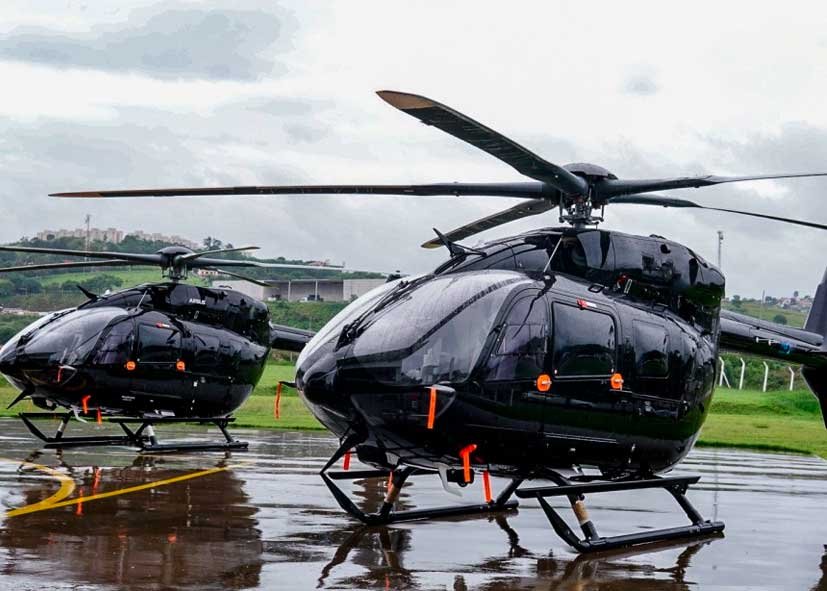 Complete guideExecutive Helicopters GuideModels, single vs. twin engine, helipads and urban mobility by helicopter.Read more
 Complete guideAircraft Management GuideCosts, maintenance, crew, compliance and how to lower the cost per flight hour.Read more
 Complete guideBusiness Aviation GuideThe sector in Brazil and worldwide: market, rules, technology and trends.Read moreEmbarque Oficial serviceAircraft Purchase and SaleEnd-to-end advisory on the acquisition and sale of jets, turboprops and helicopters.Read more
Ready to fly
Tell us where, we take care of the rest
Confidential quotes and 24/7 support, every day of the year.
WhatsApp +55 48 98877-0541 · sales@embarqueoficial.com